
The Endowment Effect in UX and E-commerce
Why “Your Account” Works Better Than “User Account”
Humans have a peculiar habit: we value things more once we own them - even if we just got them and could easily give them back. This psychological bias is known as the Endowment Effect, one of the most well-documented findings in behavioral economics.
In UX and e-commerce, it works like invisible glue - boosting retention, loyalty, and the urge to stay connected with your product. But, as always in UX, the details make the difference.
Where the Endowment Effect Comes From

The term was first introduced by Richard Thaler in 1980 and famously tested by Kahneman, Knetsch, and Thaler (1990) in their classic coffee mug experiment.
Participants who were given a mug valued it roughly twice as high as those who didn’t have one but could buy it.
➡️ Simply owning something - even briefly - made it feel more valuable.
This effect has been replicated dozens of times, including in digital contexts: people value their playlists, avatars, shopping carts, or game progress more than identical ones created by others.
Why It Works: Emotion Beats Logic
The Endowment Effect is powered by three key forces:
Loss aversion - Losing hurts more than gaining feels good.
Losing “my points” or “my plan” triggers a stronger emotional reaction than missing out on a discount.Self-identity bias - We tie our identity to what we “own.”
Once a user names their workspace, it’s no longer a product - it’s their space.Psychological ownership - Control creates attachment.
A simple act like customizing a dashboard makes it feel like mine, not theirs.
How E-commerce Leverages the Endowment Effect
1. “Your Cart” and “Save for Later”
Research by Morwitz et al. (2022) shows that customers are far more likely to complete a purchase if they can return to the same cart later. Keeping items saved creates a subtle sense of ownership - “those are my things,” even before payment.
Amazon’s “Saved for later” and Zalando’s persistent cart are textbook examples of how e-commerce builds continuity around ownership.
2. Free Trials and “My Plan”
SaaS companies give full access during free trials for a reason. Once users start using features they already have, canceling becomes emotionally harder.
According to Kleemans & Kornelis (2018), users who received a personalized trial (with named plans or profiles) showed a 37% higher conversion rate than those using a generic version.
Think of Notion, Miro, or Canva - all of them use Your workspace, Your team plan, or Your templates to create psychological ownership from day one.
3. Loyalty Points and Status
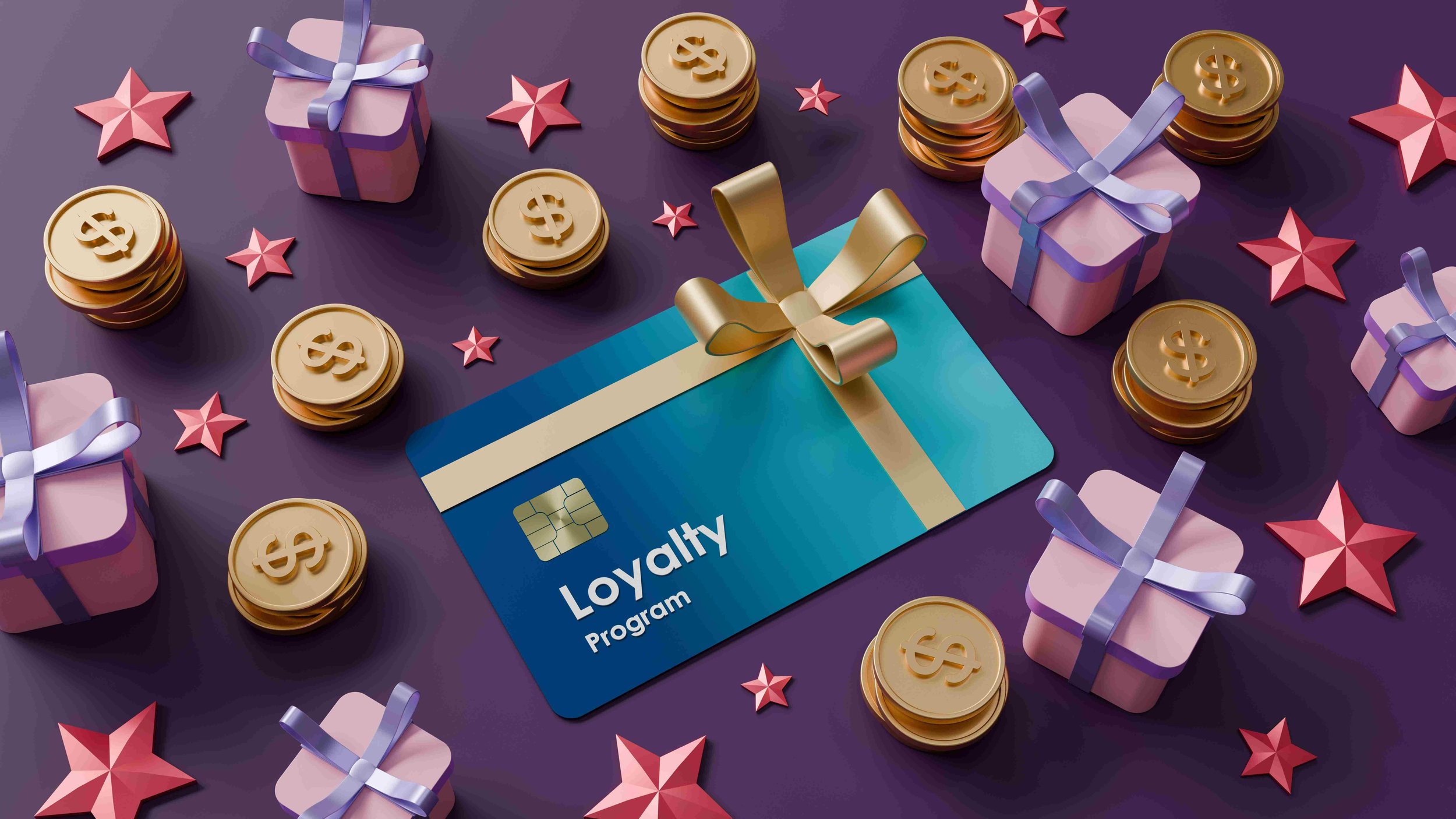
A pure manifestation of the Endowment Effect: the more you have, the less you want to lose it. That’s why loyalty programs visualize progress (“200 points to Gold status”) - the user sees their achievements and feels invested.
This works even when points have no real monetary value (as shown in Kivetz, Urminsky & Zheng, 2006).
Examples: Starbucks Rewards, IKEA Family, Allegro Smart! - all designed around the emotional pull of ownership.
4. Personalization = Ownership
Customizing something - naming a project, creating an avatar, setting preferences - increases attachment. In Pierce et al. (2003), participants who could personalize their workspace reported stronger feelings of ownership and motivation than those using default setups.
That’s why onboarding flows often include “Name your project.” It’s not a vanity step, it’s a bonding one.
UX & Ethics: The Thin Line Between Engagement and Manipulation
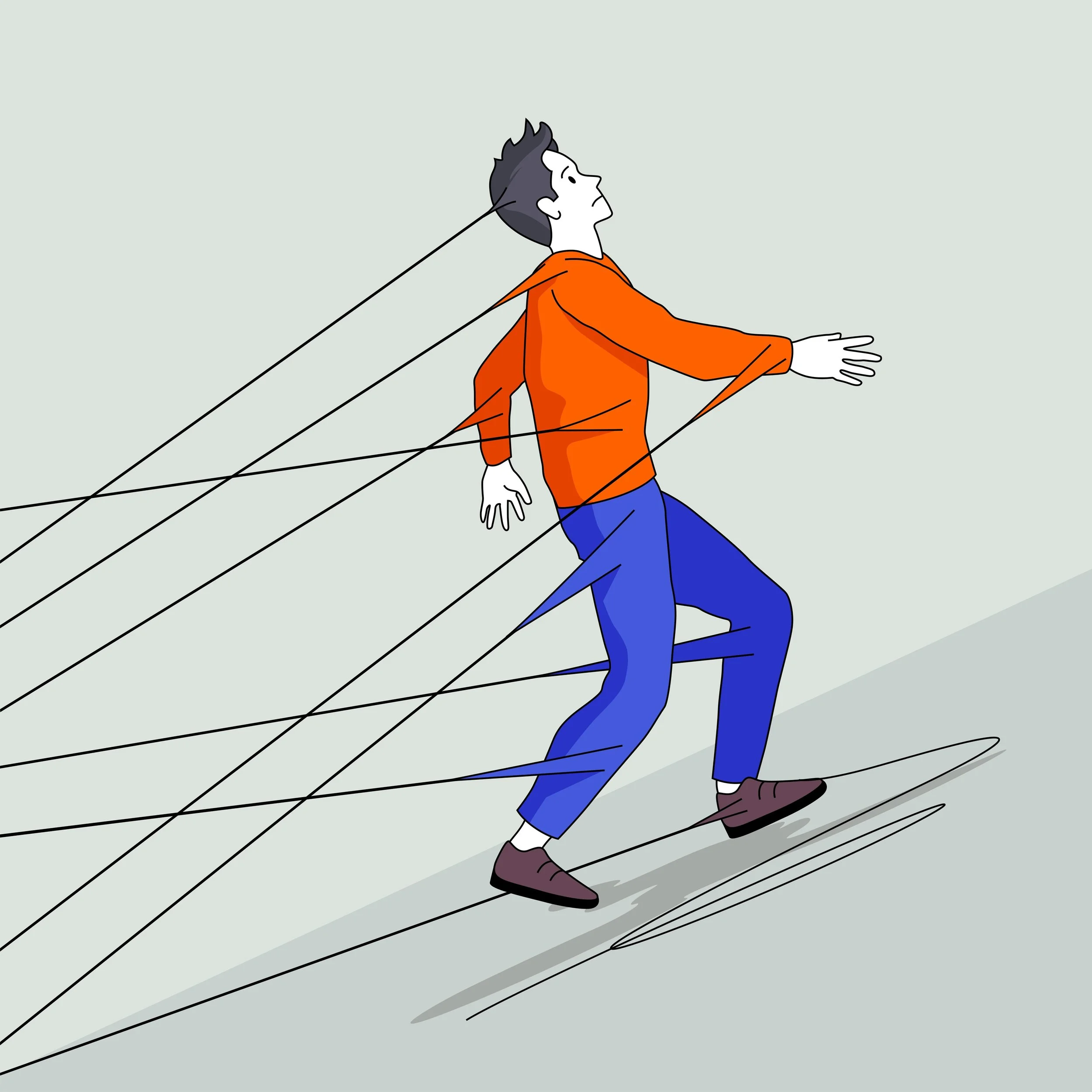
The Endowment Effect can also be abused. Dark patterns that fake ownership - like “reserved items,” “your spot in line,” or misleading progress bars - create pressure, not trust.
These are dark patterns of ownership: short-term conversion tricks that cause long-term resentment, or what UX folks call a UX hangover. Good UX builds real ownership, not just the illusion of it.
Espresso Takeaway
People don’t just buy products - they buy a sense of ownership. If your UX helps users feel like it’s theirs early in the journey, you’re creating emotional stickiness that can’t be copied overnight.
Just remember: ownership is an emotion, not a tactic. Give users something they can truly call their own.
